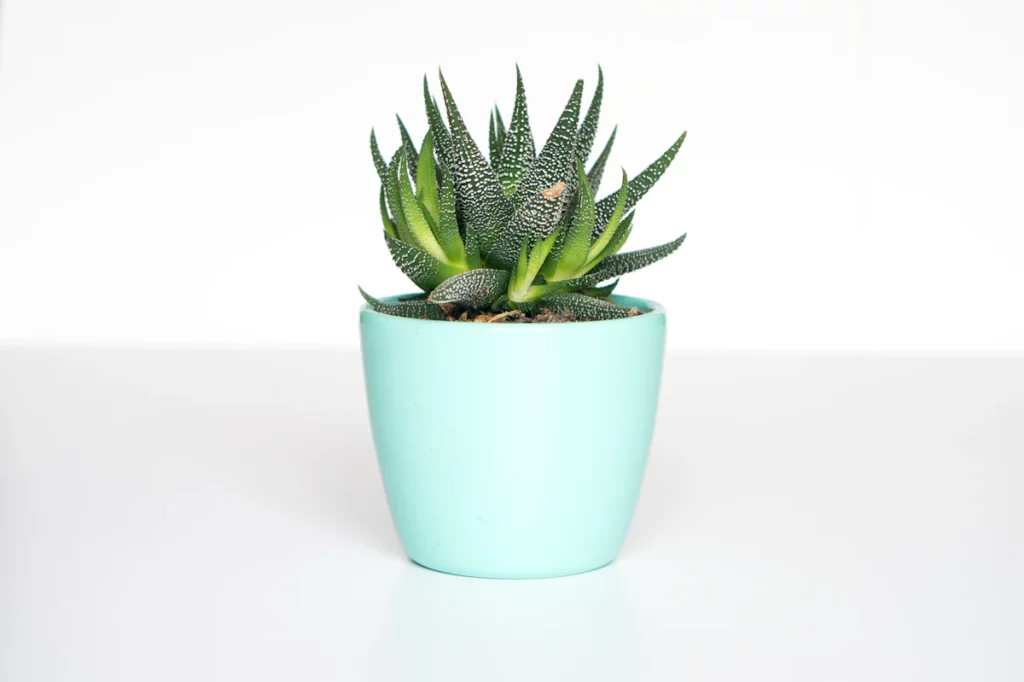
You want fresh herbs and greens at home, but you don’t have a backyard, you hate remembering to water, and you travel sometimes. A self-watering vertical garden built from a single 4-foot PVC pipe solves all three problems. Total cost is about $30. Build time is a long Saturday afternoon. This guide walks you through every cut, every drill hole, and every plant choice, with materials you can pick up at any hardware store.
I built my first one in a 400-square-foot apartment in Brooklyn after killing four basil plants in a row. The wick-fed system has run unattended for up to 16 days while I was away. It is not perfect, and there are several mistakes that will sink the project if you skip them. They are all covered below.
The Quick Answer
- Total cost: $25 to $35 depending on which store you use.
- Build time: 3 to 4 hours over one afternoon.
- Skill level: beginner. No prior DIY experience is required.
- Tools needed: cordless drill, hacksaw, measuring tape, marker. Most apartments have these.
- Water capacity: the reservoir holds 10 to 16 days of water for one full planting, depending on the plants.
- Best plants to start with: lettuce, basil, mint, parsley, chard, and small strawberry varieties.
What “Self-Watering” Actually Means
Self-watering is a slightly misleading name. The garden does not actually water itself out of thin air. What it does is hold a reservoir of water at the bottom of the pipe and deliver that water upward through capillary action, using a wick. Plants pull water from the soil as they need it, the soil draws more water from the wick, and the wick draws more from the reservoir. The result is consistent moisture without daily attention.
For apartment growers this matters more than it does for backyard gardeners. You probably get inconsistent sunlight, you cannot install a drip line, and you might be gone for a long weekend without anyone to water. A wick-fed vertical garden absorbs all three of those problems. The reservoir typically lasts one to three weeks before it needs a refill, and the system runs without electricity.
The same principle is used at industrial scale in USDA-supported urban agriculture programs and in the controlled environment agriculture research published by university extension services. The version you are about to build is a stripped-down, low-cost adaptation of those systems.
Materials You’ll Need ($30 Total)
Every item below is available at Home Depot, Lowe’s, or a local hardware store. Prices are rounded to whole dollars and reflect what I paid in May 2026.
- One 4-foot section of Schedule 40 PVC pipe, 4-inch inside diameter: $12 to $15. The 4-inch diameter is the smallest that gives plants enough root space without crowding.
- One PVC end cap (4-inch): $4 to $6. This seals the bottom of the pipe and becomes the reservoir floor.
- PVC primer and cement, small can: $5 to $7. Used to glue the end cap permanently. You can skip this if the cap fits tightly and you only ever plan to use the system indoors, but I recommend gluing for peace of mind.
- One cotton mop head or three thick cotton boot laces: $4 to $7. This becomes the wick that runs up the center of the pipe.
- One small bag of lightweight potting mix: $6 to $10. Get a “soilless” or “container” mix, not garden soil. The difference matters and is explained below.
- Optional: a clear silicone caulk tube: $4. Useful for sealing the overflow hole if you decide to add one.
Total: $25 to $35 dollars. If you already own the PVC primer and cement from another project, you can hit the lower end of that range.
Tools You Almost Certainly Already Own
- A cordless drill with a 2-inch hole saw bit and a 1/4-inch drill bit.
- A hacksaw or a PVC pipe cutter.
- Measuring tape and a permanent marker.
- Safety glasses. Non-negotiable when cutting or drilling PVC, because the chips are sharp.
- A few sheets of medium-grit sandpaper for smoothing the holes.
Step 1: Mark and Cut the Planting Holes
Lay the PVC pipe flat on a sturdy table. Using the measuring tape and marker, draw a line down one side of the pipe from top to bottom. Then mark eight points along that line at 4-inch intervals, starting 6 inches from the top. Rotate the pipe 180 degrees and repeat, but offset the new marks by 2 inches so they fall between the first set. You should end up with 16 marks arranged in a staggered pattern that maximizes light exposure for each plant.
Put on your safety glasses. Use the 2-inch hole saw bit on the drill to cut a planting hole at each mark. Drill slowly. PVC chips and cracks if you force it. After each hole, sand the rough edges with sandpaper so the plant stems don’t get cut.
Tip: the very first hole feels intimidating. After that, your hand learns the angle, and the rest take about a minute each.
Step 2: Build the Reservoir at the Bottom
Apply PVC primer and then PVC cement around the bottom 2 inches of the pipe and the inside of the end cap. Push the cap on, twist a quarter turn to seat it, and hold for 30 seconds. The bottom 8 inches of the pipe is now your sealed reservoir, with a capacity of roughly 1.5 quarts.
Optional but recommended: drill one 1/4-inch overflow hole in the side of the pipe, exactly 8 inches up from the bottom. This prevents you from accidentally overfilling the reservoir and drowning the lower plants. When you fill the reservoir from the top, water will trickle out of this hole when you have reached the maximum safe level. Catch the drip with a small saucer.
Step 3: Install the Wick
Take your cotton mop head or cotton boot laces and trim them to the full length of the pipe plus 6 inches. Twist the strands together into a single thick rope. Push one end of this wick into the bottom reservoir, and run the rest of it straight up the center of the pipe. Leave 4 to 6 inches of slack curling at the bottom inside the reservoir. This is where the wick draws water from.
The wick must be cotton, not synthetic. Synthetic fibers like nylon do not draw water through capillary action well, and you will end up with dry soil at the top of the pipe.
Step 4: Fill with Lightweight Potting Mix
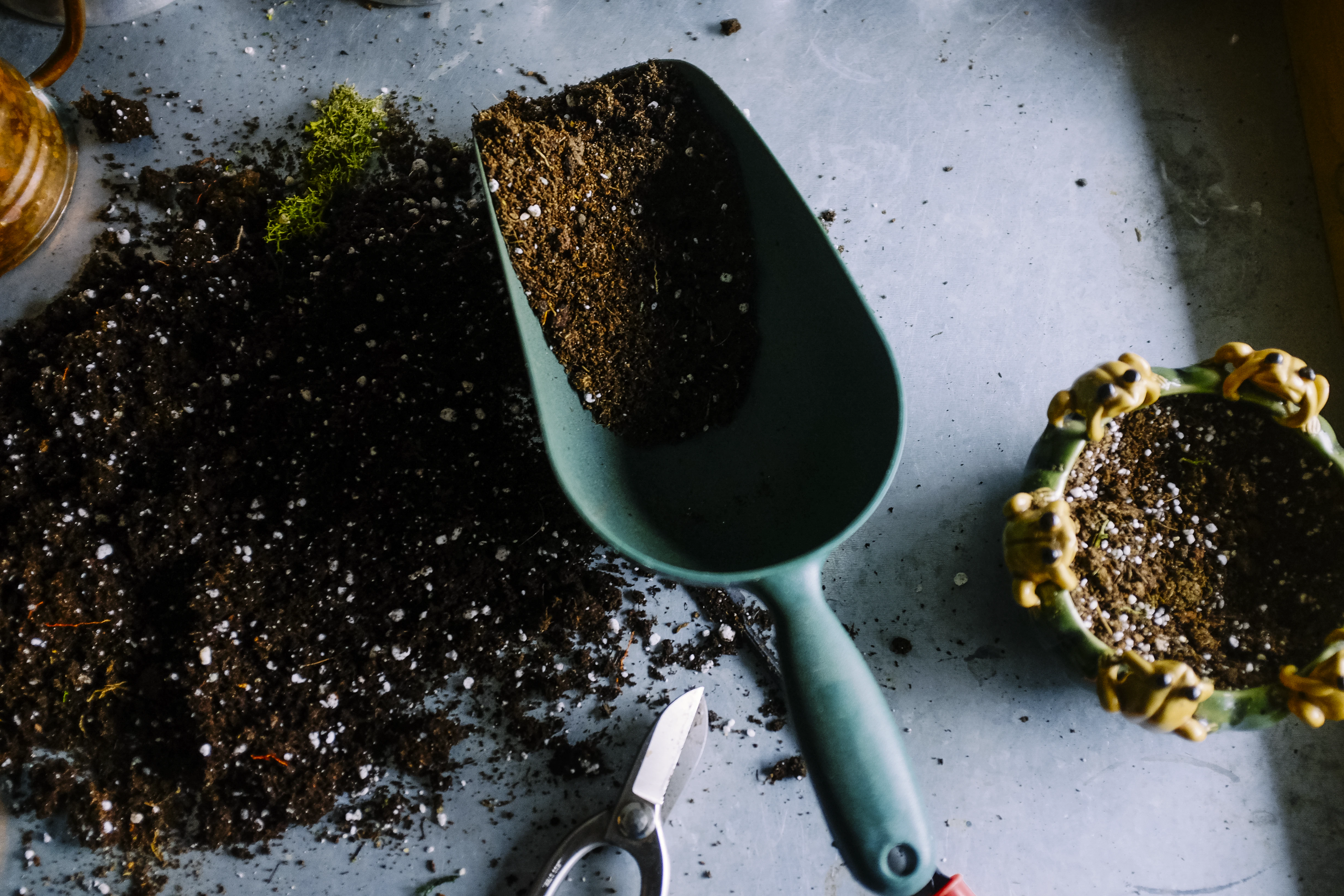
Pour potting mix into the pipe around the wick, packing it lightly as you go. Use a soilless or container mix specifically labeled “lightweight” or “for containers”. Do not use bagged garden soil or topsoil. Heavy soils compact in the narrow pipe, suffocate roots, and stay too wet, which leads to root rot.
Fill until the mix is about 1 inch below the top of the pipe. Tap the pipe gently against the floor a few times to settle any air pockets. The wick should remain centered and vertical as you fill.
Step 5: Plant Your Greens
Through each of the 16 planting holes, push a finger into the soil to create a small pocket. Insert a young seedling, or sow two or three seeds, and gently tuck soil around the roots. Water lightly from the top of each hole with a spray bottle until the soil is uniformly damp. This is the only time you will water from the top. From now on, the reservoir does the work.
If you are starting from seed, cover the holes with a small piece of plastic wrap for the first three to five days to retain humidity. Remove it as soon as the first leaves emerge.
Step 6: Fill the Reservoir and Find Its Cadence
Pour water down the center of the pipe (next to the wick) until it trickles out the overflow hole. That is full. Mark the date on a small label stuck to the pipe.
The reservoir will empty at different speeds depending on the plants and the room conditions. Lettuce and chard, which are mostly water, drink the fastest and may need a refill every 5 to 7 days. Mint, basil, and parsley are slower at 10 to 14 days. Strawberries fall in between. Track the dates for the first two refills, and you will know your specific cadence within a couple of weeks.
How Often to Refill the Reservoir
Watch for two signals. First, the wick: if you tug on it gently and it feels dry near the bottom, the reservoir is empty. Second, the lower leaves: any wilting or yellowing within a couple of days of the expected refill date almost always means the reservoir is empty. Top it up and the plants usually recover within a day.
According to the EPA WaterSense program, indoor growing systems like this one use roughly 70 percent less water than traditional pot-and-saucer setups, because almost no water is lost to evaporation from the soil surface and none is lost to runoff. That efficiency is what makes the build worth your weekend.
Common Mistakes That Sink the Project
- Using garden soil instead of a container mix. Garden soil compacts, traps water, and starves roots of oxygen. Pay for the right bag.
- Skipping the overflow hole. If you overfill the reservoir, the lower plant roots sit in standing water and rot within a week.
- Using a synthetic wick. Nylon, polyester, and other synthetics do not draw water reliably. Use cotton.
- Placing the system in low light. Most herbs and greens need 4 to 6 hours of indirect bright light per day. A north-facing window with no direct sun is borderline; supplement with a small grow light if needed.
- Drilling planting holes too small. A 2-inch hole accommodates a young transplant, but a mature lettuce will struggle. If you want larger plants, step up to a 2.5-inch hole saw and a 6-inch diameter pipe.
- Forgetting to label the planting date. Sounds trivial. After the second or third planting you cannot remember the cadence without a date, and the plants suffer.
Sources and References
- USDA Urban Agriculture — framework and case studies on small-space, low-input food production in urban environments.
- EPA WaterSense — data on water efficiency in residential settings.
- Cornell Cooperative Extension — Indoor Plants Factsheets — species-by-species light and water requirements.
- University of Florida IFAS Extension EDIS — container gardening guides and root-space requirements.
Frequently Asked Questions
How long does the water in the reservoir last?
It depends on the plants and the room. Lettuce and chard typically drink down a full reservoir in 5 to 7 days. Slower drinkers like mint, parsley, and basil stretch the same reservoir to 10 to 14 days. Strawberries fall in between. Track your first two refills and you will know your specific schedule.
Can I use a smaller PVC pipe, like 2-inch or 3-inch diameter?
You can, but the smaller the diameter, the less root space and the smaller the reservoir. Below 3 inches, mature plant roots get crowded and the reservoir drains too quickly for the system to be worth the effort. Stick with 4-inch if you are starting out.
Do I need grow lights?
Not if you have a south-facing or east-facing window that gets at least 4 hours of indirect light per day. If your only window is north-facing or shaded by another building, add a small LED grow light on a timer for about 10 hours per day.
Will this work for vegetables, not just herbs?
Smaller vegetables work well: leaf lettuce, chard, baby spinach, arugula, kale, and small strawberry varieties. Larger root vegetables like carrots and full-size tomatoes do not, because the 4-inch pipe cannot accommodate their root systems or fruit weight.
How do I clean the reservoir between plantings?
Once a planting cycle ends, pull out the plants and the soil, rinse the inside of the pipe with a 1:9 white vinegar to water solution, and let it dry completely before refilling with fresh potting mix. Avoid bleach: residual bleach can damage the next batch of seedlings.
This article was researched and fact-checked by Lena Hartwell and the Nexamundo editorial team. Last reviewed on May 18, 2026.
Safety note: this guide involves working with hand tools, a drill, and PVC, which can produce sharp chips when cut. Wear safety glasses, handle cut edges carefully, and keep the watering reservoir away from electrical outlets. The author is a hands-on practitioner, not a credentialed horticulturist; for region-specific plant advice, consult your local university extension service.