Your Vertical Garden Weekly Maintenance Checklist: 15 Minutes a Week

An established self-watering vertical garden needs less attention than people expect — about 15 minutes a week of focused maintenance keeps everything healthy and productive. This checklist breaks down exactly what to do every week, every month, and every season, with realistic time estimates and clear instructions.

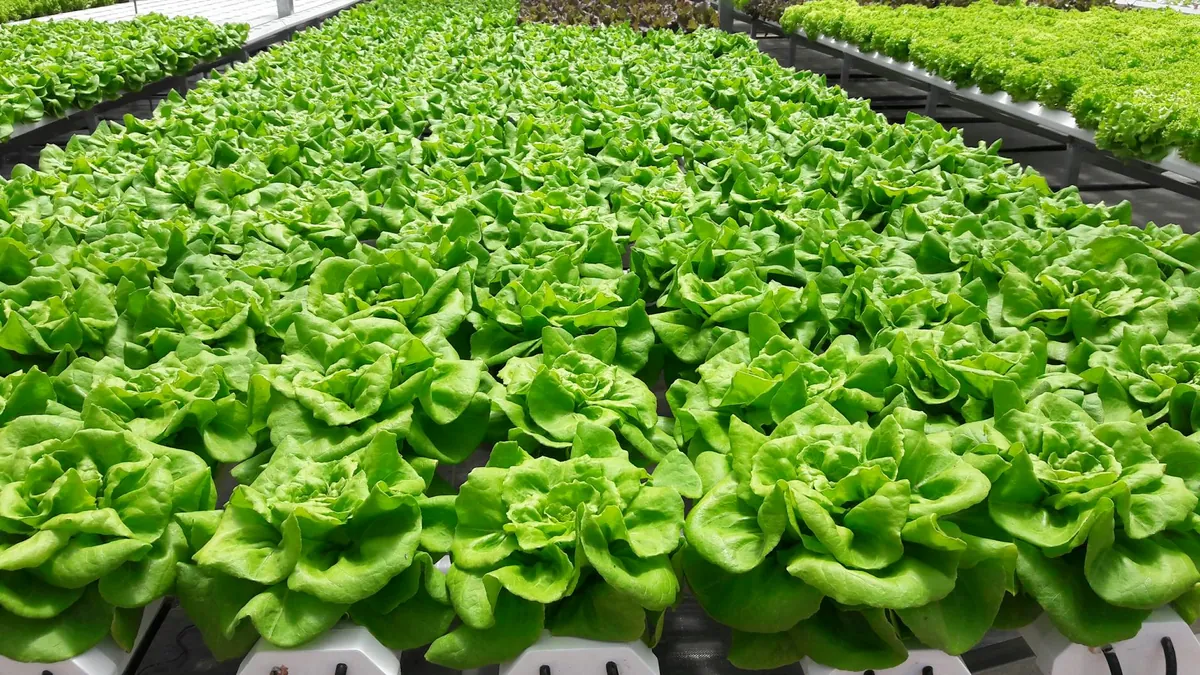
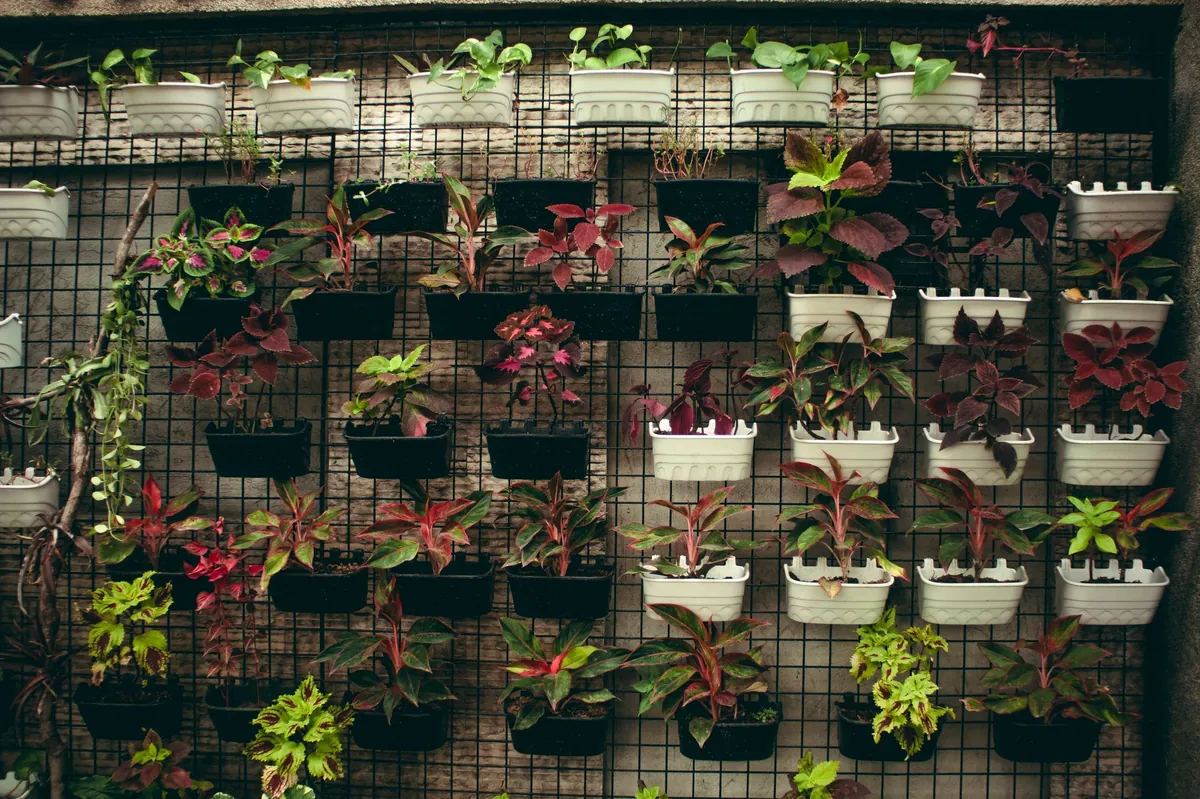
Indoor vertical garden weekly maintenance
A weekly 15-minute maintenance routine keeps a vertical garden thriving year-round. Image: Unsplash.

The Quick Answer

  • Weekly time: 15 minutes.
  • Monthly time: additional 30 minutes.
  • Seasonal time: additional 60-90 minutes (4 times a year).
  • Total annual time: ~30 hours.
  • Best day to schedule: consistent weekly day (e.g., Sunday morning).

The Weekly 15-Minute Checklist

Minute 1-3: Reservoir Check

Open reservoir; check water level. Top up if below 50 percent. Note color: clear = healthy; cloudy or smelly = needs flushing (handle on a flush day).

Minute 4-6: Visual Plant Inspection

Walk past each plant. Note: any yellowing leaves, drooping, browning tips, or unusual color changes. According to North Carolina State Extension, weekly visual inspections catch 90 percent of plant problems before they become severe.

Minute 7-9: Harvesting

Snip mature herbs and leafy greens. Continuous harvesting encourages new growth. Cut outer leaves first, leave the center growing point intact.

Minute 10-12: Pest Check

Quick flashlight inspection of leaf undersides. Look for: spider mite webs, aphid clusters, scale insects, mealybug fluff. If found: handle immediately (next week, treatment).

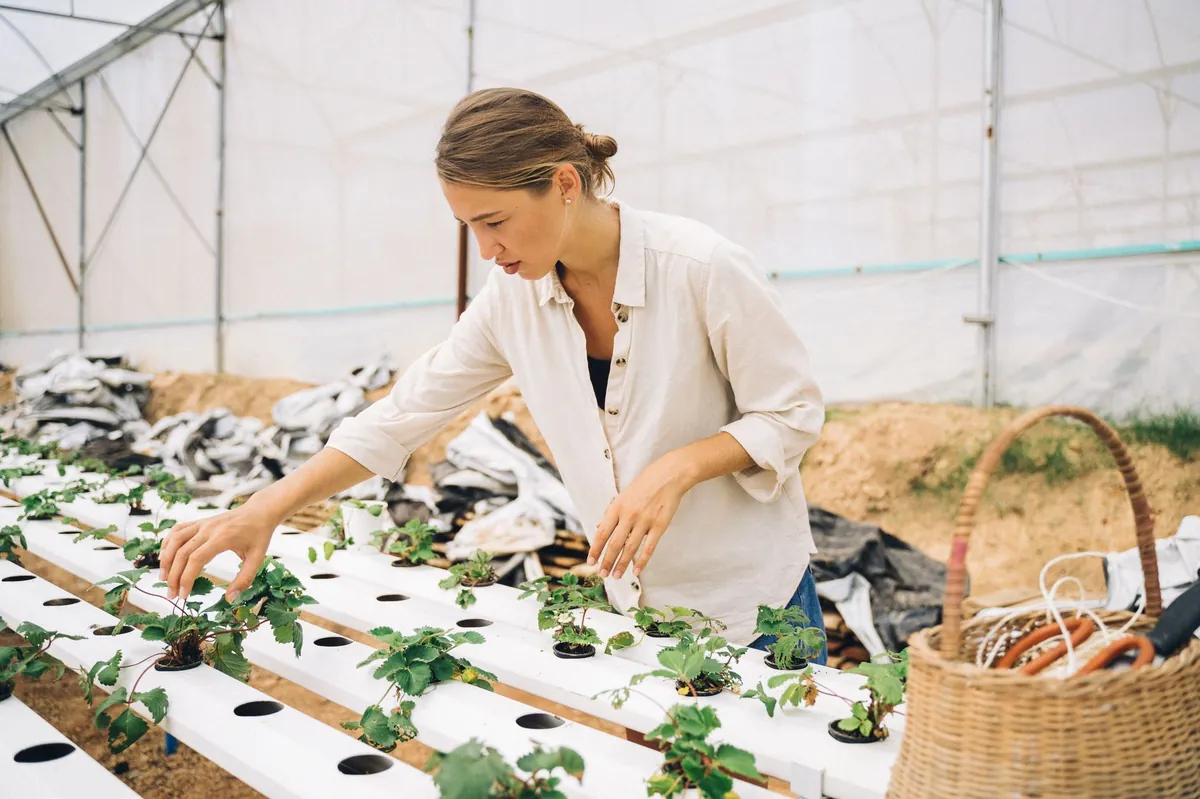
Person tending to indoor vertical garden
15 focused minutes a week handles the entire vertical garden maintenance routine. Image: Unsplash.

Minute 13-15: Documentation and Cleanup

Note any concerns in a garden journal or app. Wipe up any water drips or fallen leaves. Done.

The Monthly Add-On (30 Minutes)

  • Refresh nutrient solution in reservoir (drain + new mix).
  • Wipe leaves with damp cloth (removes dust, helps photosynthesis).
  • Trim any leggy or yellowed growth.
  • Check grow light bulb output; replace if dim (LEDs last 2-3 years).
  • Check pump function if you have an automated system.

The Quarterly Deep Clean (60-90 Minutes)

  • Flush entire reservoir with vinegar solution to clear mineral deposits.
  • Disassemble drippers and clean.
  • Inspect for root rot in shared soil systems.
  • Replenish 30-50 percent of soil with fresh mix.
  • Replant any spent annuals.
  • Rotate plants for even light exposure.

Sample Weekly Schedule

Sunday morning, 10:00 AM: 15 minutes for the routine checklist. Make this consistent — the same time and day each week. Building this into a regular habit ensures it actually happens.

Common Maintenance Mistakes

  • Skipping weeks: small problems compound rapidly when ignored.
  • Over-fertilizing: “more nutrients” causes leaf burn.
  • Watering when reservoir is full: creates root rot.
  • Ignoring early pest signs: 1 week of unchecked pests = 1 month of recovery.

Sources and References

Frequently Asked Questions

Can I skip a week occasionally?

Yes — established systems tolerate 2-3 weeks of neglect. Beyond that, problems compound.

What if I travel for 2 weeks?

Top up reservoirs to full before leaving. Set grow lights on a timer. Most self-watering systems handle this fine.

Do I need a garden journal?

Not required, but useful. Even a quick phone note (“Sunday: refilled reservoir, basil thriving”) helps spot patterns.

How long until maintenance becomes routine?

Typically 4-6 weeks. After that, the 15-minute weekly check becomes automatic.


This article was researched and fact-checked by Lena Hartwell and the Nexamundo editorial team. Last reviewed on May 19, 2026.


Related Reading

DIY Self-Watering Planter Boxes: Window Box and Counter Designs

A self-watering planter box for the windowsill or kitchen counter is a smaller, more accessible alternative to a full vertical wall system. This guide covers two specific designs: a 24-inch window box and a 18-inch counter box, both built from cheap materials in under 90 minutes. Each holds 6-8 plants and waters itself for 7-14 days.

DIY self-watering window planter box
A self-watering planter box for a kitchen counter or windowsill is the perfect entry-level DIY project. Image: Unsplash.

The Quick Answer

  • Cost: $15-$30 per box.
  • Build time: 60-90 minutes.
  • Holds: 6-8 plants (herbs or salad greens).
  • Reservoir lifespan: 7-14 days unattended.
  • Skill level: beginner — minimal tools needed.

Design 1: 24-Inch Window Box

Materials

  • 24-inch food-grade plastic window box ($8-$15).
  • Empty 1-liter plastic bottle (free).
  • Cotton wicking rope or thick string (12 inches).
  • Lightweight potting mix.
  • Power drill and 5/16-inch bit.
  • Window box brackets if mounting outside.

Steps

  1. Cut the bottom 2 inches off the plastic bottle. This becomes the wicking reservoir insert.
  2. Drill 8-10 small holes in the cut piece’s sides.
  3. Stand the cut piece in one end of the window box; thread cotton rope through the holes (the rope acts as the wick).
  4. Fill the box with lightweight potting mix up to 1 inch from the top.
  5. Insert seedlings (herbs, lettuce) along the box length.
  6. Fill the reservoir piece with water via a watering can. The wicking rope slowly draws water into the soil.

According to USDA urban agriculture guidance, sub-irrigation (the wicking method used here) keeps soil at consistent moisture without over-watering — ideal for beginners.

Plants growing in kitchen counter planter
A counter box places herbs within arm’s reach of cooking prep. Image: Unsplash.

Design 2: 18-Inch Kitchen Counter Box

Materials

  • 18-inch food-grade plastic herb planter with built-in tray ($10-$18).
  • Empty plastic bottle for the reservoir.
  • Cotton wick (10 inches).
  • Lightweight potting mix.

Steps

  1. Use the same wicking insert method as Design 1.
  2. The included tray catches drips; doesn’t need wall mounting.
  3. Position the box where it gets 6+ hours of bright light (kitchen window).
  4. Plant 6-8 herbs or lettuce starts.
  5. Add water weekly.

Which Design Is Right for You

  • Renting and outdoor light? Window box outside the kitchen window.
  • Bright kitchen counter? Counter box version.
  • No direct light? Add a small grow light (15-25W).

Sources and References

Frequently Asked Questions

Can I use a plastic bottle in a food-growing system?

Use food-grade plastics (codes 2 PET, 4 LDPE, 5 PP). Avoid PVC (3) and polystyrene (6) for food.

How often do I refill the reservoir?

Every 7-14 days depending on plant size and room conditions.

Will plants get overwatered?

No — wicking only draws moisture as soil needs it. Naturally self-regulating.

Can I build a larger version?

Yes — same method scales to 48-inch boxes. Use a 2-liter reservoir bottle for larger setups.


This article was researched and fact-checked by Lena Hartwell and the Nexamundo editorial team. Last reviewed on May 19, 2026.

Safety note: always use food-grade plastic for edibles. Test wicking with water before planting.

Related Reading

Fogponics in Apartments: The Future of Soil-Free Indoor Growing?

Fogponics — a variant of aeroponics that uses an ultrasonic fogger instead of pump-driven misters — produces incredibly fine water droplets that plant roots absorb with high efficiency. For apartment growers, the trade-offs are different from standard hydroponics or aeroponics. This guide explains where fogponics excels and where it falls short.

Fogponic indoor growing system
Fogponics uses ultrasonic fog instead of misters — an interesting variant for apartment-scale indoor growing. Image: Unsplash.

The Quick Answer

  • What it is: ultrasonic fogger creates 5-15 micron water droplets; roots absorb directly.
  • Why it interests apartment growers: quieter than mister pumps, lower water usage.
  • Trade-off: more sensitive to power outages; smaller systems available.
  • Cost: $80-$200 for small-scale DIY.
  • Maintenance: medium-high — fogger needs weekly cleaning.

How Fogponics Differs

Traditional aeroponic systems use a pump and spray nozzles to mist roots. Fogponics replaces this with an ultrasonic transducer that vibrates water at 1.7+ MHz, creating a dense fog with droplets in the 5-15 micron range. These ultra-fine droplets penetrate root structures with very high water-use efficiency.

According to NASA aeroponic research, fogponic-style ultrasonic delivery is being studied for long-duration space missions because of its extremely high water-use efficiency — an attribute that also translates to apartment use.

Why Apartments Find Fogponics Interesting

  • Quieter: ultrasonic foggers run silent; aeroponic pumps generate some noise.
  • Lower water usage: 30-50 percent less water than traditional aeroponics.
  • Smaller form factor: a 5-gallon fogger system fits on a single shelf.
  • No clogging: aeroponic misters clog with mineral deposits; foggers do not.

The Drawbacks

  • Fogger transducers wear out after 6-12 months ($15-$30 replacement).
  • Power outages quickly dry out roots (worse than aeroponic systems with reservoir buffer).
  • The fog can settle as condensation, making the chamber slightly damp.
  • Less common — harder to find commercial systems.
Indoor garden in apartment with mist system
Fog from an ultrasonic transducer suits very tight apartment spaces but requires careful ventilation. Image: Unsplash.

What You Can Grow

  • Leafy greens (excellent).
  • Herbs (basil, mint, parsley).
  • Strawberries.
  • Microgreens (very high yields).
  • Lettuces and arugula.

DIY Fogponic Setup

  1. 5-gallon plastic bucket with sealed lid ($10).
  2. Ultrasonic fogger transducer ($25-$40).
  3. Cover with 6-8 net pots drilled into the lid.
  4. Add nutrient water and turn on the fogger.
  5. Set on a timer: 5 minutes on, 15 minutes off, 24/7.

Sources and References

Frequently Asked Questions

Is fogponics food-safe?

Yes — the fog is just water vapor with dissolved nutrients. No chemicals or additives needed.

How often does the fogger need replacement?

Quality transducers last 6-12 months of continuous use.

Does the fog cause humidity problems in small apartments?

The chamber is mostly sealed, so external humidity rise is minimal. Some condensation may collect.

Can I run it 24/7?

Yes, but cycling (5 min on, 15 min off) extends transducer life and uses less power.


This article was researched and fact-checked by Lena Hartwell and the Nexamundo editorial team. Last reviewed on May 19, 2026.

Safety note: use a GFCI outlet for any electrical component near water. Never operate the fogger dry.

Related Reading

The 8 Best Vegetables for Indoor Vertical Gardens (Beyond Lettuce)

Lettuce and herbs dominate indoor vertical gardening lists for a reason — they’re easy. But a wider variety of vegetables thrive in apartment vertical setups when given the right conditions. This guide covers eight vegetables beyond lettuce that grow well in vertical gardens, with realistic yields and growing requirements for each.

Variety of fresh vegetables grown in indoor garden
A vertical garden can grow far more than lettuce — with realistic yields, these eight vegetables thrive indoors. Image: Unsplash.

The Quick Answer

  • Easiest: radishes, microgreens, kale, spinach.
  • Most rewarding: cherry tomatoes, peppers, dwarf cucumbers.
  • Challenging but possible: dwarf beans, dwarf eggplant.
  • Light needed for most: 8-12 hours.
  • Average yield per plant: 0.5-3 pounds over 8-12 weeks.

1. Cherry Tomatoes (Dwarf Varieties)

Tiny Tim, Patio Princess, and Window Box Roma are dwarf cherry tomato varieties bred specifically for containers. Yield: 1-2 pounds per plant over 10-12 weeks. Requires 10-12 hours of bright light and warm temperatures (70-80°F).

2. Compact Sweet Peppers

Mini-bell, snack peppers, and ornamental hot peppers (jalapenos, habaneros for the brave) grow well indoors. Yield: 8-15 peppers per plant. Lighting needs: 10+ hours.

3. Radishes

4-week turnaround from seed to harvest makes radishes the fastest indoor vegetable. French Breakfast, Cherry Belle, and Easter Egg varieties grow in 6-8 inches of soil. Requires only 6-8 hours of light.

4. Spinach and Kale

Easy, fast, productive. Cut-and-come-again harvesting (snip outer leaves, plant keeps producing). Both tolerate moderate light (6-8 hours). Continuous harvest for 8-12 weeks.

Fresh harvested indoor vegetables
Fast-growing leafy greens and root vegetables give continuous harvests in vertical setups. Image: Unsplash.

5. Microgreens

Highest yield per square foot of any vegetable. Sunflower, pea shoot, radish, and broccoli microgreens harvest in 7-14 days. Use shallow trays in vertical shelving setups.

6. Dwarf Cucumbers

Spacemaster, Bush Pickle, and Patio Snacker are bush cucumbers that don’t need extensive vining. Yield: 6-12 cucumbers per plant over 8-10 weeks.

7. Dwarf Bush Beans

Tendergreen, Provider, and Topcrop bush varieties stay under 18 inches tall. Yield: 0.5-1 pound per plant over 8 weeks. Easy to harvest.

8. Compact Eggplant

Patio Baby and Fairy Tale are dwarf eggplant varieties suited to indoor growing. Yield: 6-10 small eggplants per plant. Needs 10+ hours of light.

Conditions for Indoor Vegetable Success

  • Light: bright window or 25-40W grow light.
  • Temperature: 65-80°F for most.
  • Container depth: 8-10 inches for vegetables, 6 inches for greens/herbs.
  • Pollination: tomatoes and peppers need hand-pollination indoors.

According to USDA Urban Agriculture, indoor vegetable gardening has expanded rapidly post-2020 as more apartments adapted to growing food at home.

Sources and References

Frequently Asked Questions

Can I grow these all year round?

With grow lights, yes. Without supplemental light, winter yields drop 50-70 percent.

Which is most productive in tight spaces?

Microgreens by far — up to 2 pounds of fresh greens per square foot every 2 weeks.

Do indoor vegetables taste the same as outdoor?

Yes, often better — harvested fresh, no transport, no premature ripening.

What’s the worst vegetable to try indoors?

Corn, watermelons, and full-size squash — they need too much space, light, and pollination.


This article was researched and fact-checked by Lena Hartwell and the Nexamundo editorial team. Last reviewed on May 19, 2026.

Related Reading

The Complete Smart Indoor Garden: Sensors, Automation, and What Actually Works

A truly smart vertical garden combines moisture sensors, automatic pumps, grow lights on timers, and optional connectivity to a smartphone. This guide explains which automation components actually deliver value versus which are gimmicks, and walks through assembling a complete smart setup for under $200.

Smart indoor garden with sensors and automation
A truly smart vertical garden uses sensors and automation to handle watering, light, and alerts. Image: Unsplash.

The Quick Answer

  • Components worth automating: watering, lighting schedule, moisture monitoring.
  • Components NOT worth automating: nutrient dosing (still manual), pest detection (no reliable consumer sensor yet).
  • Budget for full automation: $150-$200 (sensors + pump + smart plug + grow light).
  • Time saved: 60-80 percent of daily maintenance.
  • Best for: travelers, busy professionals, anyone managing 10+ plants.

Components That Deliver Real Value

1. Soil Moisture Sensors ($10-$20 each)

Capacitive moisture sensors that send readings via WiFi or Bluetooth to your phone. The good ones alert you 24-48 hours before plants would visibly stress. Brands worth considering: Xiaomi Mi Flora, Govee, and Wyze sensors.

2. Automatic Watering Pump with Timer ($30-$60)

A small 5W submersible pump with a programmable timer activates 1-3 times per day for 30-90 seconds, delivering precise water doses. Combined with the moisture sensor, this is the core of automation.

3. Smart Plug for Grow Light ($15-$25)

A WiFi smart plug controls your grow light on a schedule (typically 12-16 hours per day, depending on plants). Brands like TP-Link Kasa or Govee are reliable.

Smart home device controlling indoor garden
A smart plug and timer combination automates grow light schedules reliably. Image: Unsplash.

What’s Worth Skipping

  • “Smart” grow lights with built-in apps: typically 3-5x the cost of a regular grow light + smart plug.
  • AI plant-identification cameras: often inaccurate, especially for similar species.
  • Voice-controlled watering: overengineered; a simple timer works better.

How to Assemble Your Smart Setup

  1. Install moisture sensors in 2-3 plants representing different zones.
  2. Connect the pump to a small reservoir via tubing.
  3. Plug the pump into a timer (mechanical or smart).
  4. Connect the grow light to a smart plug.
  5. Use a single home automation app (e.g., Google Home, SmartThings) to view all sensors and control everything.

According to EPA WaterSense, smart watering systems use up to 30 percent less water than manual schedules — relevant for both indoor and outdoor irrigation.

Sources and References

Frequently Asked Questions

Is automation worth it for just 4-5 plants?

For 4-5 plants, manual watering takes 5 minutes a week. Automation isn’t financially justified. For 10+ plants, automation pays back in saved time within 6 months.

What happens if WiFi goes down?

Mechanical timers keep working; smart plugs revert to last state. Moisture readings won’t sync until WiFi returns.

How reliable are the moisture sensors?

Top-tier capacitive sensors are 85-90 percent accurate. Cheap resistive sensors corrode and fail within 6 months.

Can I add automation to an existing vertical garden?

Yes — sensors and pumps integrate with any existing system without major rebuilds.


This article was researched and fact-checked by Lena Hartwell and the Nexamundo editorial team. Last reviewed on May 19, 2026.

Safety note: always use GFCI outlets for any electrical components near water. Inspect cords monthly.

Related Reading

Vertical Gardens for Small Office Spaces: A Practical Guide

A small home office or work-from-home corner benefits from indoor plants — they improve focus, reduce eye strain from screens, and add life to otherwise sterile workspaces. This guide covers specific vertical garden setups designed for small office environments, with low-maintenance plants and OSHA-friendly placement guidelines.

Indoor plants in a small office workspace
Vertical gardens in small offices improve focus and reduce screen-time fatigue. Image: Unsplash.

The Quick Answer

  • Best office setups: desk-side leaning planter, monitor-top mini garden, ceiling-hanging trailing plants, and behind-the-desk wall pocket planter.
  • Best plants: pothos, snake plant, spider plant, ZZ plant, philodendron, and herbs for fragrance.
  • Light strategy: position near windows or add small grow lights below 25W to avoid disturbing screens.

Why Vertical Gardens Suit Small Offices

A home office often has under 50 sq ft of usable space — mostly occupied by desk, chair, and equipment. Vertical gardens fit in the unused 3D space above and beside the work area. According to OSHA workplace guidelines, indoor plants in workspaces should be positioned at least 24 inches from electronics to prevent water splashes onto equipment.

4 Best Office Vertical Setups

1. Desk-Side Leaning Planter

A 3-foot tall narrow leaning planter beside the desk holds 6-8 small plants. Footprint: 1 sq ft of floor.

2. Monitor-Top Mini Garden

Two or three small succulents or air plants on top of the monitor add greenery directly in your eye line. Easy to install, zero water risk to electronics with proper drip trays.

3. Ceiling-Hanging Trailing Plants

One or two trailing plants in macrame hangers from the ceiling above the desk add vertical greenery without floor or wall conflict.

4. Wall Pocket Planter Behind the Desk

Mounted on the wall behind the desk where you can see it during breaks. 8-12 plants in 3 sq ft of wall space.

Home office desk with indoor plants
Strategically placed plants improve focus during long work sessions. Image: Unsplash.

Office-Friendly Plant Selection

  • Pothos: tolerates low light, near-zero maintenance.
  • Snake plant: upright, doesn’t need much light or water.
  • Spider plant: resilient, produces baby plants.
  • ZZ plant: drought-tolerant, glossy leaves.
  • Philodendron: trailing variety for hanging setups.
  • Rosemary or mint: light fragrance helps focus during work.

Light Considerations

Most home offices have one window, often partially blocked by the desk or screens. Position plants near the brightest spot. Supplement with small grow lights (under 25W) that don’t reflect glare onto screens. LED strips along the underside of shelving work well.

Sources and References

Frequently Asked Questions

Do plants really improve focus?

Multiple workplace studies show 10-15 percent improvement in subjective focus and reduced eye strain in plant-rich environments. Effect is modest but consistent.

Will plants damage my electronics?

Only with poor watering practices. Use drip trays under all plants near electronics; keep watering reservoirs sealed.

How many plants is too many?

For small offices, 3-5 visible plants is the sweet spot. Beyond that, watering and maintenance compete with work time.

Are there plants I should avoid in offices?

Avoid heavily perfumed flowering plants (some people are sensitive). Avoid plants requiring high humidity (likely to fail in air-conditioned offices).


This article was researched and fact-checked by Lena Hartwell and the Nexamundo editorial team. Last reviewed on May 19, 2026.

Safety note: always position plants at least 24 inches from electronic equipment. Use drip trays. Avoid placing watering cans near laptops or hard drives.

Related Reading

Why Plants in Vertical Gardens Stop Growing: 7 Common Reasons

A vertical garden that’s alive but not actively growing — no new leaves, no taller stems, no visible progress for weeks — signals one of seven specific problems. This guide explains each reason and the corrective action that restarts growth within 1-2 weeks.

Indoor plant showing slow growth
A stalled plant is signaling one of seven specific problems. Diagnose quickly to restart growth. Image: Unsplash.

The Quick Answer

  • Cause 1: insufficient light (most common).
  • Cause 2: nutrient depletion in soil or reservoir.
  • Cause 3: rootbound — roots have filled the container.
  • Cause 4: temperature stress (too hot or too cold).
  • Cause 5: water stress (over or under).
  • Cause 6: end of plant’s natural lifecycle.
  • Cause 7: pest damage (often invisible).

1. Insufficient Light

Plants survive in low light but stop adding new growth. Move closer to a window or add a grow light. New leaves appear within 1-2 weeks of better light.

2. Nutrient Depletion

Even soilless mixes deplete nutrients over 2-4 months. Refresh with a balanced liquid fertilizer at half strength. According to North Carolina State Extension, container plants typically need feeding every 3-4 weeks during active growth.

3. Rootbound

In a vertical garden’s small planting holes, roots can fill the available space within 4-6 months. Symptom: roots emerging through drainage holes. Fix: trim back roots and re-pot, or transition to a larger system.

4. Temperature Stress

Most herbs and greens prefer 65-75 degrees Fahrenheit. Apartments that get below 60 in winter or above 80 in summer slow plant growth dramatically. Move to a temperature-stable room.

Indoor plant being inspected for health issues
Weekly inspection catches growth stalls before plants suffer long-term. Image: Unsplash.

5. Water Stress

Both over and under-watering stop growth. Check soil moisture: very wet means overwatering, dry crispy leaves mean underwatering. Adjust reservoir refill schedule accordingly.

6. End of Natural Lifecycle

Annual plants (lettuce, arugula, basil) stop growing when they bolt (go to seed). This is natural, not a problem — harvest and replant. Perennials (mint, chives) stop growing in winter but resume in spring.

7. Pest Damage

Spider mites, aphids, and thrips damage plants invisibly at first. Inspect with a flashlight on leaf undersides. Treat as needed (see our pest management guide).

Diagnosis Order

  1. Check light: 4-6+ hours of bright indirect? If no: Cause 1.
  2. Last fertilizer dose more than 4 weeks ago? Cause 2.
  3. Roots filling the planter? Cause 3.
  4. Room temperature in the 65-75 range? If outside: Cause 4.
  5. Soil consistently wet or dry? Cause 5.
  6. Plant flowering or yellowing leaves? Cause 6.
  7. Inspect leaf undersides with a flashlight: pests? Cause 7.

Sources and References

Frequently Asked Questions

How long until growth restarts after I fix the problem?

Usually 1-2 weeks for visible new growth.

Should I expect constant growth?

No. Most plants have natural growth pulses. Slowdowns of 1-2 weeks are normal.

What if multiple causes apply?

Fix the most impactful first (usually light or water), then address others over the next 2-3 weeks.

Should I prune to encourage growth?

Yes, light pruning of yellow or crowded leaves can stimulate new growth, but only after addressing the root cause.


This article was researched and fact-checked by Lena Hartwell and the Nexamundo editorial team. Last reviewed on May 19, 2026.

Related Reading

DIY Hydroponic Wall Garden: The Complete Builder’s Blueprint

This is the master build guide for a full-featured DIY hydroponic wall garden. Combines wicking, drip-feed, and structural mounting into a single 4-foot wall installation. Total cost: $80-$120. Capacity: 16 plants. Reservoir runs unattended for 14-21 days. The blueprint pulls together everything from previous guides into one comprehensive build.

Complete DIY hydroponic wall garden installation
A complete hydroponic wall garden integrates structural mounting, sealed reservoir, and hybrid wicking-drip delivery. Image: Unsplash.

The Quick Answer

  • Total cost: $80-$120.
  • Build time: full Saturday (6-8 hours).
  • Plant capacity: 16 plants in a 36-inch pipe.
  • Reservoir capacity: 14-21 days unattended.
  • Combines: wicking for passive water delivery + optional pump for active recirculation.

Why a Combined System

Pure wicking systems are reliable but slower-growing. Pure drip-fed systems are higher-yielding but fail in power outages. The combined hybrid in this guide uses wicking as the baseline (passive, reliable) plus an optional drip cycle (active boost). If the pump fails, plants still survive on wicking alone.

Materials

  • 4-foot PVC pipe (4-inch) with end caps.
  • PVC primer and cement.
  • Cotton wicking rope (5 feet).
  • Lightweight container potting mix.
  • Small submersible pump (50 GPH).
  • 1/4-inch drip tubing.
  • Mechanical timer.
  • French cleat hangers for wall mounting.
  • Hydroponic nutrient solution.

Step 1: Build the Wicking Pipe

Follow the standard wicking PVC vertical garden build (see our wicking bed guide). Seal the bottom with a cap; drill 16 planting holes; install vertical cotton wick; add lightweight soilless mix.

Step 2: Add the Drip Component

Route drip tubing from a small pump in a separate reservoir to the top of the pipe. The pump runs for 3-5 minutes every 12 hours on a timer, delivering an active dose of nutrient water that supplements the passive wicking.

Step 3: Mount with French Cleats

Two French cleat hangers attach to the back of the pipe; matching halves screw into wall studs. The pipe hooks onto the wall cleats. According to USDA urban agriculture standards, wall-mounted systems should attach to structural elements (studs, not drywall alone) for safety.

Wall installation of vertical garden system
French cleat mounting hangs the pipe securely without permanent wall damage. Image: Unsplash.

Step 4: Plant and Calibrate

Insert seedlings in each planting hole. Fill the reservoir, set the timer for 12-hour drip cycles. Monitor for 1 week, adjusting drip frequency based on plant growth and soil moisture.

Step 5: Maintenance Schedule

  • Weekly: top up reservoir, check pump function.
  • Monthly: flush reservoir with vinegar, refill nutrient solution.
  • Every 3 months: clean pump impeller.
  • Annually: inspect French cleats, mounting hardware.

Sources and References

Frequently Asked Questions

Why combine wicking and drip-feed?

Wicking provides reliability; drip-feed adds growth speed. Combined, you get both with minimal trade-offs.

Can I skip the pump?

Yes — the wicking system alone works. Pump and drip are optional enhancements.

How heavy is the system fully assembled?

About 25 lbs wet. Mount to studs or use anchors rated for 50+ lbs.

Does this work for a renter?

Yes if mounting to a wall is acceptable. Otherwise, use a freestanding floor stand instead of French cleats.


This article was researched and fact-checked by Lena Hartwell and the Nexamundo editorial team. Last reviewed on May 19, 2026.

Safety note: always use safety glasses for cutting and drilling. Use a GFCI outlet for the pump. Anchor to wall studs for safety.

Related Reading

Aeroponics for Apartment Growers: Why Soil-Free Is Easier in Small Spaces

Aeroponics — growing plants with roots in air, sprayed periodically with nutrient mist — is often considered too complex for apartments. In reality, prebuilt aeroponic units are some of the cleanest, easiest indoor growing systems available. This guide explains why aeroponics suits apartment life specifically and which systems are practical for the typical urban grower.

Aeroponic indoor garden system in an apartment
Aeroponic systems suit small apartments because they eliminate soil mess and water spills. Image: Unsplash.

The Quick Answer

  • Why it suits apartments: no soil mess, no water spills, compact footprint, reliable yields.
  • What you need: a prebuilt aeroponic unit ($300-$900) or a custom DIY system ($150-$300).
  • Plant capacity: 9-30 plants depending on system.
  • Maintenance: weekly water and nutrient checks.
  • Limits: needs continuous electricity; power outages can kill plants.

Why Apartments Suit Aeroponics

Soil-based gardens come with messy reality: dirt drops on counters, leaves stain windowsills, watering creates spills. Aeroponics eliminates all three. Roots hang in a sealed chamber, water is contained in a reservoir, and the plant tops emerge through a closed grow area. Indoor air quality stays cleaner.

According to NASA’s aeroponics research, the technology was originally developed for spacecraft because it eliminates contamination risks — the same principle applies to a small apartment.

The Trade-off: Electricity Dependence

Aeroponics needs a pump running continuously (typically 5-15 watts). If the pump fails or power goes out for more than 1-2 hours, the plant roots dry out and can die. Apartment renters with frequent power issues should choose hydroponic wicking systems instead.

Practical Aeroponic Choices for Apartments

  • Click & Grow + Smart Garden (technically wicking, but apartment-suited): $150-$250.
  • AeroGarden Bounty Elite (aeroponic): $300-$400.
  • Gardyn Home Kit (aeroponic farmstand): $700-$900.
  • DIY aeroponic with PVC and aquarium misters: $150-$300.
Modern apartment with indoor growing technology
Aeroponic systems often look like polished appliances, fitting modern apartment aesthetics. Image: Unsplash.

What You Grow Best

  • Leafy greens (most aeroponic-friendly).
  • Herbs (basil, mint, parsley, chives).
  • Strawberries (especially in Gardyn-style towers).
  • Dwarf tomatoes (only in larger aeroponic systems).

Sources and References

Frequently Asked Questions

Is aeroponic produce safer than soil-grown?

Sealed root chambers reduce contamination risks like soil-borne pathogens. Aeroponic produce is generally considered cleaner.

What if power goes out for hours?

Plants survive 1-2 hours; longer outages may kill exposed roots. Consider battery backup for serious aeroponic systems.

How loud is the pump?

25-40 dB, like a quiet refrigerator. Most users acclimate.

Can I run an aeroponic system in a small studio?

Yes — the Click & Grow tabletop unit takes 1.5 sq ft. Other systems take 4 sq ft of floor.


This article was researched and fact-checked by Lena Hartwell and the Nexamundo editorial team. Last reviewed on May 19, 2026.

Related Reading

Edible Vines for Indoor Vertical Walls: 6 Productive Options

Climbing edible plants — vines — turn a vertical garden into a productive food wall. Six specific edible vines work especially well indoors in apartment-scale vertical setups. This guide covers each one’s growth habit, light needs, and yield expectations.

Edible climbing vines growing indoors
Edible vines maximize vertical space — growing upward instead of outward. Image: Unsplash.

The Quick Answer

  • Top 6 edible vines: cherry tomatoes, snap peas, beans (bush varieties), cucumber (dwarf), passion fruit (indoor varieties), and Malabar spinach.
  • Easiest: peas and Malabar spinach.
  • Most productive: cherry tomatoes (1-2 lbs per plant per season).
  • Best for tight spaces: Malabar spinach (compact compared to outdoor cousins).

1. Cherry Tomatoes

Indeterminate (vining) cherry tomato varieties produce continuously for 4-6 months indoors. Needs bright south-facing window or grow light. Stake or trellis is essential. Best varieties for indoor: Sweet 100, Sun Gold, Tiny Tim.

2. Snap Peas / Sugar Peas

Fast-growing climbing peas reach harvest in 60-70 days. Tolerant of cool indoor temperatures. Produces edible pods for 6-8 weeks before declining. Replant in fall and spring.

3. Bush Beans (Climbing Varieties)

Pole beans climb 4-6 feet on a trellis. Each plant produces 1-2 lbs of beans over 8-10 weeks. Needs strong support and bright light.

4. Dwarf Cucumber

Mini varieties (Spacemaster, Bush Champion, Salad Bush) grow on a trellis to about 3-4 feet. Each plant produces 5-10 cucumbers per season. According to University of Florida IFAS Extension, dwarf cucumbers adapt particularly well to indoor vertical setups.

Climbing edible plant on trellis indoors
A trellis or string support is essential for climbing edible vines indoors. Image: Unsplash.

5. Passion Fruit (Indoor Varieties)

Some compact passion fruit varieties grow indoors in large pots. Slow to fruit (12-18 months) but ornamentally beautiful. Best for growers who want long-term decorative + edible plants.

6. Malabar Spinach

Not a true spinach but a tropical climbing leafy green with thick succulent leaves. Heat-loving (perfect for indoor summer growing). Grows fast on a trellis, providing leaves continuously for 4-6 months. Mild spinach-like flavor.

Trellising Indoor Vines

All six need vertical support. Options:

  • Tension rod with twine running vertically.
  • Stake-and-string trellis attached to the planter.
  • Wall-mounted lattice (with renter-friendly Command strips).
  • Hanging string from the ceiling.

Sources and References

Frequently Asked Questions

How much light do edible vines need?

Most need 6-8 hours of bright indirect light or equivalent grow light. Cherry tomatoes and cucumbers especially light-hungry.

Can I grow these without trellises?

Climbing varieties need support; bush varieties don’t. Choose accordingly based on your space.

How often do edible vines need fertilizer?

Every 2-3 weeks during active growth. Use balanced liquid fertilizer at half-strength.

Do they need pollination indoors?

Tomatoes, cucumbers, and passion fruit need hand-pollination indoors (gentle brush transfer between flowers).


This article was researched and fact-checked by Lena Hartwell and the Nexamundo editorial team. Last reviewed on May 19, 2026.

Related Reading