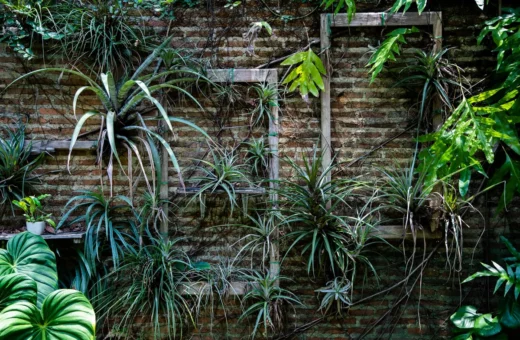
A vertical garden can survive 1-3 weeks unattended depending on the system. This guide gives you the prep checklist before a vacation and the right setup choices if you travel often. Self-watering systems handle most absences naturally; this guide is about extending that window and handling the harder cases (heat waves, low light).
The Quick Answer
- Wick-fed PVC vertical garden: 10-21 days unattended.
- Drip-fed system with timer: 14-21 days unattended.
- Tabletop smart garden: 14-21 days unattended (when reservoir is filled).
- Hardest cases: heat waves (water evaporates faster), bright direct sun, and pump-dependent systems with no surge protection.
Pre-Vacation Checklist (Day Before)
- Fill all reservoirs to the maximum line.
- Check the wick is fully submerged in the reservoir water.
- Inspect each plant: trim any wilting leaves, remove any flowers/fruits that are ready (they go to seed if left).
- Move the garden away from heat sources (direct south-facing windows in summer).
- Set blinds or sheer curtains to filter peak afternoon sun.
- Test grow light timers (if any) for one full cycle.
- Photograph the garden so you can compare on return.
For Trips Longer than 14 Days
Beyond 14 days, even well-prepared systems start to struggle. Options:
- Ask a neighbor or friend to refill reservoirs at the midpoint. 5-minute task.
- Set up an additional backup reservoir connected to the main reservoir via a tube and float valve.
- Hire a plant-sitting service (most cities have them, $20-$40 per visit).
- Accept some loss: shorter-lived crops (lettuce, microgreens) may bolt or finish; perennials (mint, herbs) survive.
Heat Wave Special Considerations
Summer heat waves accelerate water evaporation and plant transpiration. According to EPA urban heat island data, indoor temperatures during summer heat events can rise 5-10 degrees above normal even with air conditioning. Plant water demand can double during these conditions. If you’re traveling during a heat wave:
- Move the garden to the coolest room in the apartment.
- Reduce light exposure (close blinds during midday).
- Pre-water generously the morning of departure.
- Consider a backup reservoir or sitter visit.
Power Outages and Pump Systems
Pump-dependent systems (NFT, drip-fed, smart gardens) fail when power goes out. For trips:
- Use a small UPS (uninterruptible power supply) to keep the pump running through short outages.
- For longer outages, plants on hydroponic systems should be moved temporarily to a wicking setup before travel if you expect storms.
Plants That Travel Best
- Tolerate longest absence: mint, chives, oregano, thyme.
- Need moderate care: basil, parsley, lettuce, arugula.
- Don’t travel well: microgreens (must be harvested), demanding herbs like cilantro (bolt easily), strawberries during fruiting.
Sources and References
- EPA — Heat Islands
- USDA Urban Agriculture
- Cornell Cooperative Extension
- University of Florida IFAS Extension
Frequently Asked Questions
How long can a wick-fed system go without attention?
Typically 10-21 days for a 4-foot PVC pipe with full reservoir.
What if my plant-sitter has no plant experience?
Write a 1-page instruction sheet: just "top up the reservoir to the line" once per week. That’s all most systems need.
Should I cover the garden during long trips?
No. Plants need light, even at reduced intensity. Reducing light too much causes leggy growth.
What about leaving plants in the dark during cooler trips?
Most plants tolerate 1-2 days of darkness. Beyond that, set up at least minimal light.
This article was researched and fact-checked by Lena Hartwell and the Nexamundo editorial team. Last reviewed on May 19, 2026.