Aeroponics — growing plants with roots in air, sprayed periodically with nutrient mist — is often considered too complex for apartments. In reality, prebuilt aeroponic units are some of the cleanest, easiest indoor growing systems available. This guide explains why aeroponics suits apartment life specifically and which systems are practical for the typical urban grower.

The Quick Answer
- Why it suits apartments: no soil mess, no water spills, compact footprint, reliable yields.
- What you need: a prebuilt aeroponic unit ($300-$900) or a custom DIY system ($150-$300).
- Plant capacity: 9-30 plants depending on system.
- Maintenance: weekly water and nutrient checks.
- Limits: needs continuous electricity; power outages can kill plants.
Why Apartments Suit Aeroponics
Soil-based gardens come with messy reality: dirt drops on counters, leaves stain windowsills, watering creates spills. Aeroponics eliminates all three. Roots hang in a sealed chamber, water is contained in a reservoir, and the plant tops emerge through a closed grow area. Indoor air quality stays cleaner.
According to NASA’s aeroponics research, the technology was originally developed for spacecraft because it eliminates contamination risks — the same principle applies to a small apartment.
The Trade-off: Electricity Dependence
Aeroponics needs a pump running continuously (typically 5-15 watts). If the pump fails or power goes out for more than 1-2 hours, the plant roots dry out and can die. Apartment renters with frequent power issues should choose hydroponic wicking systems instead.
Practical Aeroponic Choices for Apartments
- Click & Grow + Smart Garden (technically wicking, but apartment-suited): $150-$250.
- AeroGarden Bounty Elite (aeroponic): $300-$400.
- Gardyn Home Kit (aeroponic farmstand): $700-$900.
- DIY aeroponic with PVC and aquarium misters: $150-$300.
What You Grow Best
- Leafy greens (most aeroponic-friendly).
- Herbs (basil, mint, parsley, chives).
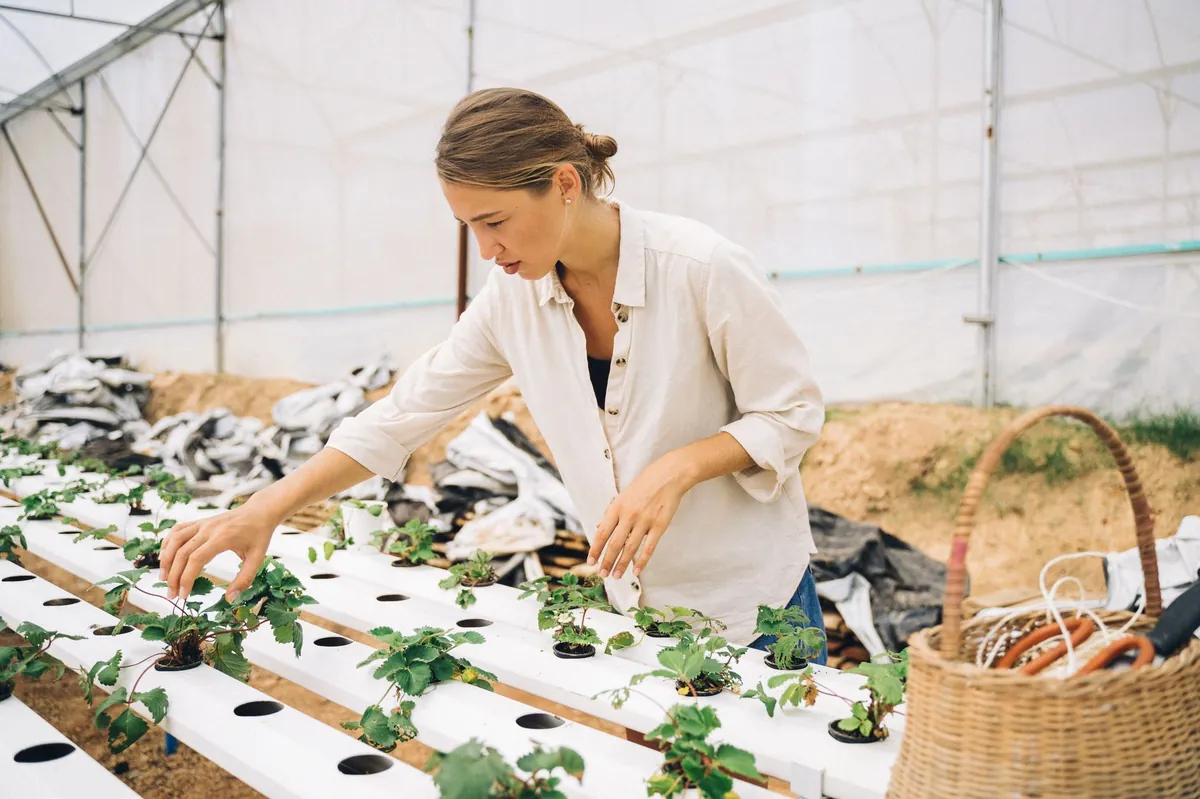
- Strawberries (especially in Gardyn-style towers).
- Dwarf tomatoes (only in larger aeroponic systems).
Sources and References
- NASA — Growing Plants in Space
- USDA Urban Agriculture
- Cornell Cooperative Extension
- University of Florida IFAS Extension
Frequently Asked Questions
Is aeroponic produce safer than soil-grown?
Sealed root chambers reduce contamination risks like soil-borne pathogens. Aeroponic produce is generally considered cleaner.
What if power goes out for hours?
Plants survive 1-2 hours; longer outages may kill exposed roots. Consider battery backup for serious aeroponic systems.
How loud is the pump?
25-40 dB, like a quiet refrigerator. Most users acclimate.
Can I run an aeroponic system in a small studio?
Yes — the Click & Grow tabletop unit takes 1.5 sq ft. Other systems take 4 sq ft of floor.
This article was researched and fact-checked by Lena Hartwell and the Nexamundo editorial team. Last reviewed on May 19, 2026.