A vertical garden that smells musty, sour, or like rotten eggs is signaling a problem. Each odor type points to a specific cause; identifying which one applies takes about 2 minutes. This guide explains the four most common indoor garden odors, what each one means, and how to fix it permanently.

The Quick Answer
- Musty/earthy smell: mold or fungus in the soil surface.
- Sour smell: stagnant water in the reservoir.
- Rotten egg (sulfur) smell: anaerobic bacteria from oxygen-deprived roots.
- Fishy smell: overgrown algae or biofilm in the reservoir.
- Fastest universal fix: empty and clean the reservoir, ensure airflow, switch to soilless potting mix.
1. Musty / Earthy Smell
Indicates mold on the soil surface. Caused by constantly wet topsoil. Fix: stop top-watering (the wick handles delivery from below), add a small fan for airflow, sprinkle dry sand or perlite on the surface. See our mold prevention guide for more detail.
2. Sour Smell
Indicates stagnant water in the reservoir. The water has been sitting too long without circulation or refresh. Fix: drain the reservoir, rinse with a vinegar-water solution, refill with fresh nutrient solution. Do this monthly as preventive maintenance.
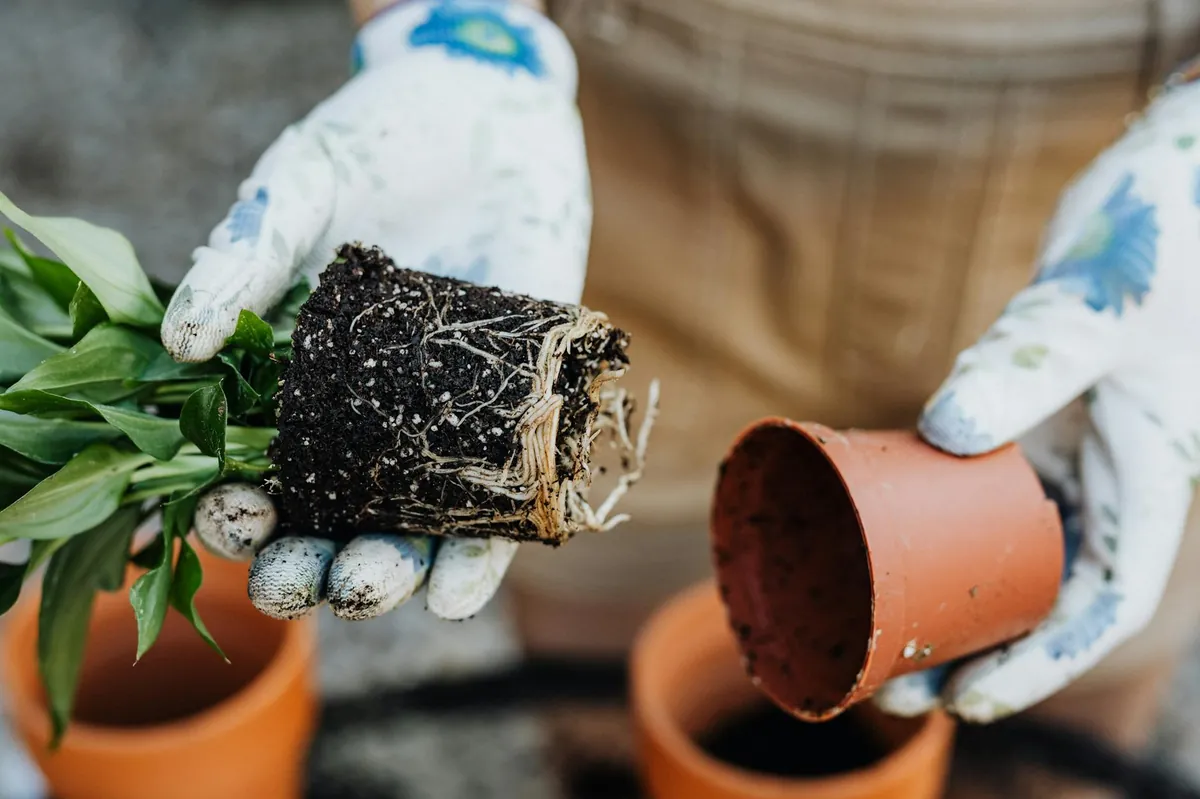
3. Rotten Egg (Sulfur) Smell
The worst-smelling and most serious. Indicates anaerobic bacteria growing in the reservoir, which means roots are sitting in oxygen-deprived water. Fix immediately: drain reservoir completely, scrub with vinegar, check that the wicking system is delivering aerated water (some setups submerge roots too deep). According to EPA water quality guidance, sulfur smells in standing water are often a sign of sulfate-reducing bacteria, which form when oxygen is absent for 1-2 weeks.
4. Fishy Smell
Caused by algae or biofilm in the reservoir. Visible as green or brown slime on inside walls. Fix: see our algae prevention guide. The fishy odor disappears within hours of cleaning the reservoir.
Diagnosis Order
- Smell the soil surface: musty? Cause 1 (mold).
- Smell the reservoir water through the overflow hole: sour or fishy? Causes 2 or 4.
- If the smell is rotten-egg or sulfurous: Cause 3 (anaerobic bacteria) — act immediately.
Preventive Habits
- Empty and rinse reservoir monthly.
- Use soilless potting mix.
- Run a small fan for 4 hours daily.
- Don’t top-water self-watering planters.
- Block light from the reservoir to prevent algae.
Sources and References
- EPA Water Quality Standards
- EPA — Mold Course
- Cornell Cooperative Extension
- University of Florida IFAS Extension
Frequently Asked Questions
Is the smell dangerous to my health?
Mold spores can trigger allergies and asthma in sensitive individuals. Sulfur smells in low concentrations are unpleasant but not dangerous. Address all odors quickly.
Will scented candles or air fresheners hide the smell?
They mask but don’t fix the underlying cause, which gets worse over time. Solve the root problem.
How quickly does an odor resolve after cleaning?
Sour and fishy smells: 1-2 days. Mold smells: 1 week with airflow. Sulfur smells: 1 day after full reservoir clean.
Should I throw out the plants if there’s a sulfur smell?
Usually not. Inspect roots — healthy white roots can be replanted in fresh setup. Brown mushy roots indicate root rot; those plants should be discarded.
This article was researched and fact-checked by Lena Hartwell and the Nexamundo editorial team. Last reviewed on May 19, 2026.
Health note: if anyone in your home has asthma, mold allergies, or immune compromise, address vertical garden odors immediately and consider relocating the garden to a better-ventilated room.