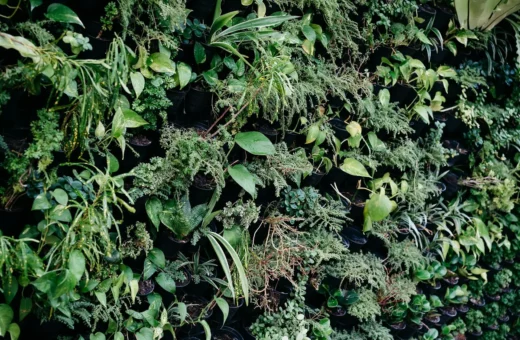
A vertical indoor garden doesn’t have to be only herbs and salad greens. Six specific flowering plants thrive in vertical apartment setups and add color, fragrance, and visual interest. This guide ranks them by ease of indoor cultivation, with light and care requirements for each.
The Quick Answer
- Top 6 flowering indoor plants for vertical setups: African violet, begonia, peace lily, anthurium, kalanchoe, and orchid (phalaenopsis).
- Easiest: peace lily and kalanchoe.
- Most rewarding: phalaenopsis orchid (blooms last 2-3 months).
- Best low-maintenance bloomer: peace lily.
1. African Violet (Saintpaulia)
Compact, year-round bloomer with purple, pink, or white flowers. Tolerates low light but prefers bright indirect. Water from below (set pot in shallow water) to avoid leaf spotting. Blooms several times per year if pollinated by gentle leaf-tapping.
2. Begonia (Wax/Tuberous)
Multiple varieties: wax begonias are nearly continuous bloomers; tuberous begonias produce dramatic large flowers. Both prefer bright indirect light and consistent moisture. According to Cornell Cooperative Extension, begonias are among the most adaptable flowering indoor plants for vertical setups.
3. Peace Lily (Spathiphyllum)
White spath flowers on tall stems, surrounded by glossy green foliage. Famous for low-light tolerance. Blooms 2-3 times per year. Forgiving of irregular watering; droops dramatically when thirsty.
4. Anthurium
Glossy red, pink, or white heart-shaped flowers (technically modified leaves called spathes). Each flower lasts 6-8 weeks. Prefers bright indirect light and high humidity.
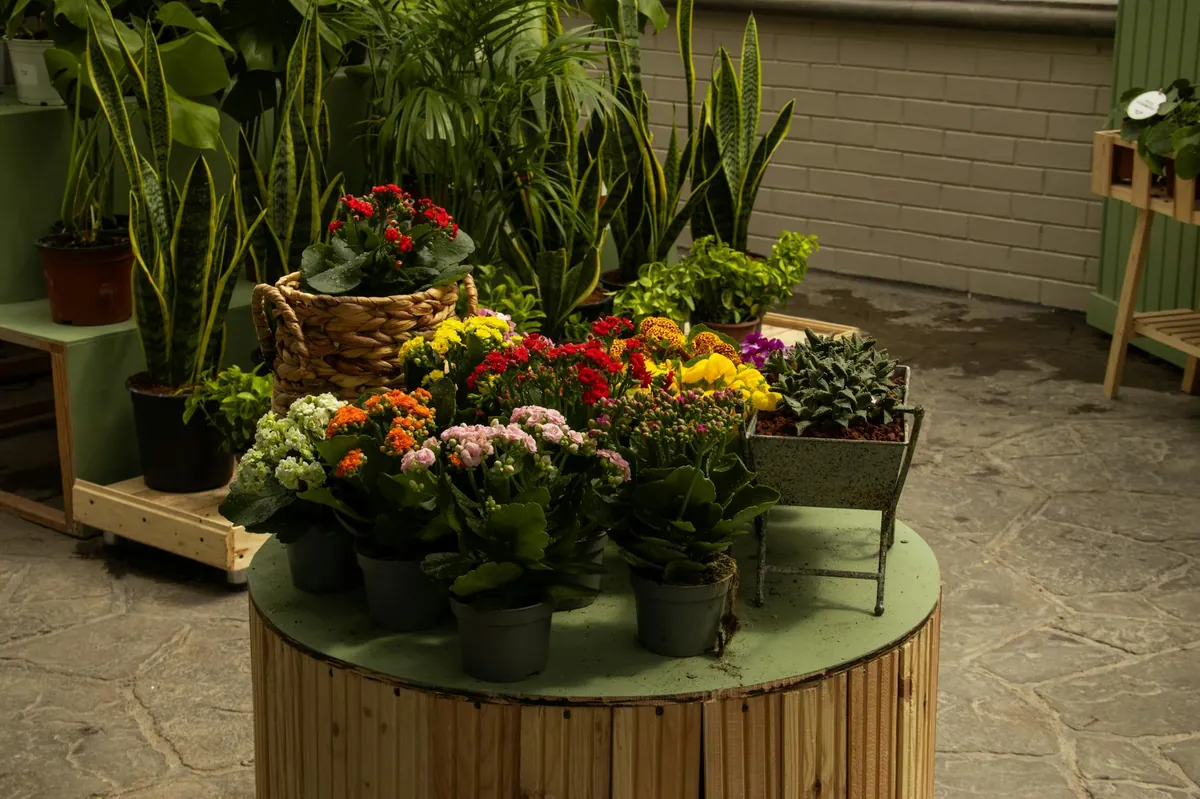
5. Kalanchoe
Compact succulent with clusters of small bright flowers (red, orange, yellow, pink). Tolerates dry indoor conditions and infrequent watering. Drops flowers in low humidity but rebuilds reliably.
6. Phalaenopsis Orchid
“Moth orchid” — the most popular indoor orchid. Blooms last 2-3 months, often twice per year. Needs bright indirect light and weekly watering. Looks dramatic in a vertical wall planter.
Light Requirements
Most flowering indoor plants need at least 4-6 hours of indirect bright light. North-facing windows are too dim for most; supplement with a small grow light if you only have north-facing exposure. Peace lily and African violet are the most tolerant of dimmer conditions.
Combining with Edibles
You can mix flowering and edible plants in the same vertical garden. Combinations that work well:
- African violets + parsley + chives (similar light needs).
- Begonias + basil + cherry tomatoes (similar humidity needs).
- Kalanchoe + thyme + oregano (all prefer dry conditions).
Sources and References
- Cornell Cooperative Extension
- University of Florida IFAS Extension
- North Carolina State Extension
- USDA Urban Agriculture
Frequently Asked Questions
Do flowering plants need fertilizer?
Yes, monthly during blooming season. Use a balanced liquid fertilizer diluted to half strength.
How often should I repot?
Every 1-2 years for African violet, begonia, orchid. Peace lily and anthurium can go 2-3 years between repottings.
Are these safe for pets?
Peace lily and kalanchoe are toxic to cats and dogs. African violets, begonias (some varieties), and orchids are generally considered safer. Always verify specific cultivars with the ASPCA database.
Why don’t my orchids rebloom?
Most need a brief period of cooler temperatures (60-65 degrees) for a few weeks to trigger a new blooming cycle.
This article was researched and fact-checked by Lena Hartwell and the Nexamundo editorial team. Last reviewed on May 19, 2026.
Pet safety note: verify the toxicity of each plant with the ASPCA toxic plants database before bringing indoors if you have cats or dogs.