A drip-fed vertical garden uses a small pump and a timer to deliver controlled doses of water to each plant on a schedule. Compared to a passive wicking setup, it gives more precise control and adapts to different plants. This guide walks through building a drip-fed vertical garden for around $50, with the timer and tubing connections explained step by step.
The Quick Answer
- Total cost: $40-$55.
- Build time: 2-3 hours.
- Plant capacity: 8-12 plants in a PVC tower.
- Watering: short pulse every 6-12 hours.
- Best for: growers wanting more control than wicking, less complexity than Arduino.
Materials
- 4-foot PVC pipe + end cap.
- Small submersible pump (50-100 GPH).
- Mechanical aquarium timer ($10-$15).
- 1/4-inch drip irrigation tubing and emitters ($8-$12).
- 5-gallon reservoir bucket.
Step 1: Build the PVC Tower
Use a 4-foot PVC pipe with planting holes, capped at the bottom. Same as the wicking bed PVC vertical garden, but without an internal wick.
Step 2: Connect the Pump and Timer
Submerge the pump in the reservoir bucket. Connect a 1/4-inch drip line from the pump up to the top of the PVC pipe. Plug the pump into a mechanical timer set to run for 2-3 minutes every 6-12 hours. The timer controls watering automatically.
Step 3: Set Up the Drip Emitters
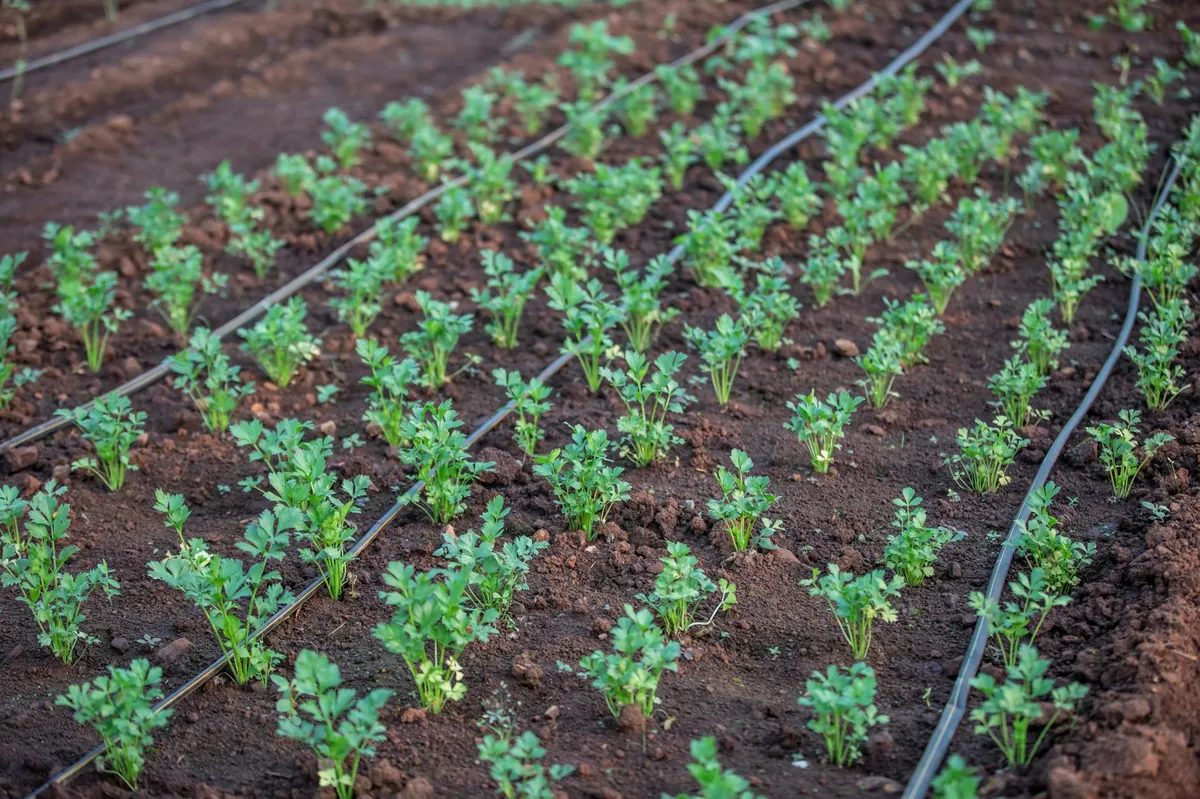
At the top of the PVC pipe, position a small drip emitter that releases water slowly. The water drips down through the soil column, watering each plant on the way.

Step 4: Calibrate the Schedule
Start with a short cycle (2 minutes every 12 hours) and adjust based on soil moisture:
- Soil too dry between cycles? Increase frequency to every 8 hours.
- Soil too wet? Reduce duration to 1 minute or extend interval.
- Lettuce needs more water; herbs less.
According to EPA WaterSense, drip-fed indoor systems can reduce water use by 30-50 percent compared to top-watering, because targeted delivery means no runoff or evaporation losses.
Drip-Fed vs Wicking
- Wicking: passive, no electricity, simpler. Cost: $30. Refill every 10-14 days.
- Drip-fed: active, needs electricity and timer. Cost: $50. Refill reservoir every 7-10 days.
- Choose drip-fed if: you want more control, faster plant growth, or watering different plants at different rates.
Sources and References
- EPA WaterSense
- USDA Urban Agriculture
- Cornell Cooperative Extension
- University of Florida IFAS Extension
Frequently Asked Questions
Does a mechanical timer work as well as a smart timer?
For indoor watering, yes. Mechanical timers cost $10-$15 and are reliable for years.
Do I need to monitor the system?
Check weekly: water level, pump function, soil moisture. Otherwise it runs unattended.
Can I use this with hydroponic nutrients?
Yes. The drip emitters distribute nutrient solution exactly like plain water.
What if the timer fails?
Plants survive 2-3 days on residual soil moisture. Replace timer immediately.
This article was researched and fact-checked by Lena Hartwell and the Nexamundo editorial team. Last reviewed on May 19, 2026.
Safety note: use a GFCI outlet for the pump. Keep timer and electrical connections away from water splashes.